
Starting an online business can feel exciting… and honestly a little chaotic at the same time.
One minute you’re brainstorming business names and imagining your future dream brand, and the next you’re drowning in tabs about domains, websites, social media, hosting, templates, logos, and about 47 different people online telling you completely different advice.
If you’ve been feeling overwhelmed trying to figure out where to even begin — you are absolutely not alone.
The good news?
Starting an online business in 2026 is actually more beginner-friendly than ever before. You do not need:
- a huge audience
- a business degree
- fancy equipment
- thousands of dollars
- or everything perfectly figured out before starting
You just need a clear starting point, a willingness to learn, and a simple plan you can build on over time.
This guide walks through the exact beginner-friendly steps to help you start building your online business without making it feel overly complicated.
“You do not need to have everything figured out before you start.”
Step 1: Choose a Business Idea You Can Actually Stick With
One of the biggest mistakes beginners make is trying to pick the “perfect” business idea before they ever start.
Instead of obsessing over perfection, focus on finding something that:
- solves a problem
- helps people
- interests you enough to stay consistent
- can realistically grow over time
Your first business idea does not need to be revolutionary.
Some beginner-friendly online business ideas include:
- digital products
- blogging
- printables
- templates
- affiliate marketing
- freelance services
- content creation
- social media support
- creative design services
The goal in the beginning is not perfection.
The goal is momentum.
Beginner Tip:
Choose a business idea you can realistically stay interested in for at least a year — consistency matters much more than chasing trends.
Step 2: Secure Your Business Name & Website
Once you have a business idea and name, the next step is creating your online home.
Even if you mainly plan to use social media, having your own website gives you:
- more control
- long-term stability
- professionalism
- better SEO opportunities
- a place to grow your brand
This is also the time to:
- purchase your domain
- secure matching usernames
- create a professional email
What You’ll Need
✓ Domain Name
✓ Website Hosting
✓ WordPress Website
✓ Professional Email
✓ Basic Branding
Use Hostinger for all of your domain and website needs. Affordable and beginner-friendly.
Use Payhip to start selling your digital products, courses, downloads, etc. for free!
Step 3: Start with Simple Branding
Good branding is not about having the fanciest logo on the internet.
It’s about creating a brand that feels:
- cohesive
- recognizable
- trustworthy
- aligned with your audience
You really only need a few basics to start:
- a simple logo
- 2–3 brand colors
- 1–2 fonts
- a consistent visual style
Canva is honestly one of the easiest beginner-friendly tools for creating branding assets without needing graphic design experience.
And remember:
your branding can evolve over time.
Most successful businesses redesign and refine things eventually anyway.
Beginner Branding Checklist

LOGO

COLOR PALETTE

FONTS

SOCIAL PROFILE PICTURES

BASIC BRAND STYLE
Step 4: Create Helpful Content Before You Try to Sell Everything
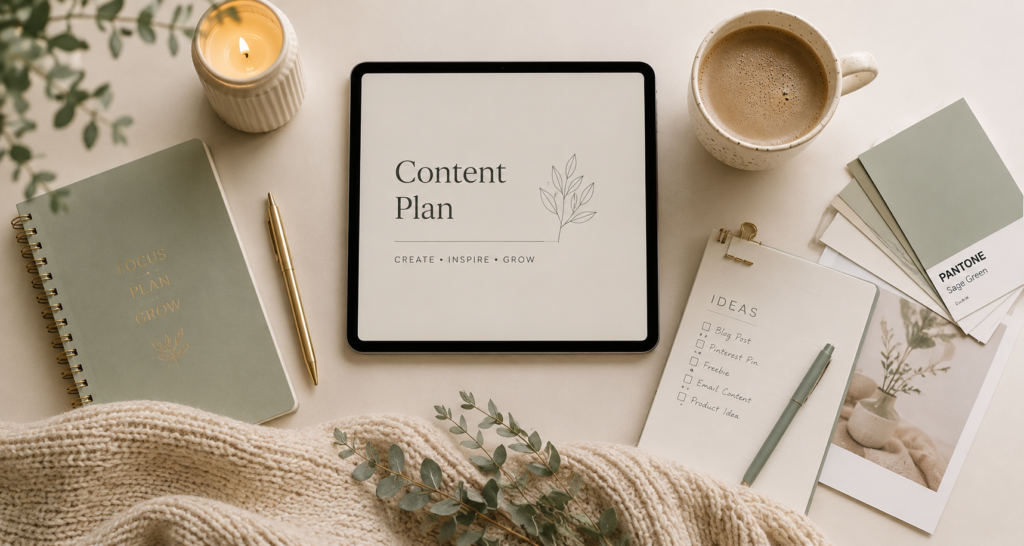
One of the best things you can do early on is start creating genuinely helpful content.
This could include:
- blog posts
- Pinterest content
- Instagram posts
- guides
- tutorials
- checklists
- free resources
Helpful content builds:
- trust
- visibility
- authority
- long-term traffic
And honestly?
You do not need to post constantly to grow.
Consistency matters much more than trying to be everywhere all at once.
Focus on creating content that:
- answers beginner questions
- solves small problems
- simplifies confusing topics
- feels approachable
That’s exactly how many online businesses slowly build loyal audiences over time.
Step 5: Start Before Everything Feels Perfect
This is probably the hardest part for most people.
It’s incredibly easy to spend months:
- overthinking
- redesigning
- researching endlessly
- comparing yourself to everyone online
But the truth is:
clarity usually comes from action — not endless preparation.
Your first website will not be perfect.
Your first content will not be perfect.
Your first product will not be perfect.
And that’s completely normal.
Most successful online businesses were built through gradual improvement over time, not overnight perfection.
The people who succeed are usually the people who simply kept going long enough to learn, adapt, and improve.
Small steps still move your business forward.
Starting an online business can feel overwhelming in the beginning, but it becomes much more manageable when you stop trying to learn everything all at once.
Focus on:
- starting simple
- learning gradually
- creating helpful content
- building consistency
- improving as you go
You do not need to build a perfect business overnight.
You just need to begin.
And honestly?
That first small step matters more than you probably realize right now.
Let’s Build Something Beautiful Together
Ready to grow your business online? Explore helpful resources, creative business tools, templates, and support designed to help your online business feel more organized, polished, and ready to grow.
Join The VirtuBloom Newsletter
Get free business resources, creative tips, launch support, digital tools, and thoughtful inspiration delivered straight to your inbox.
Leave a Reply